
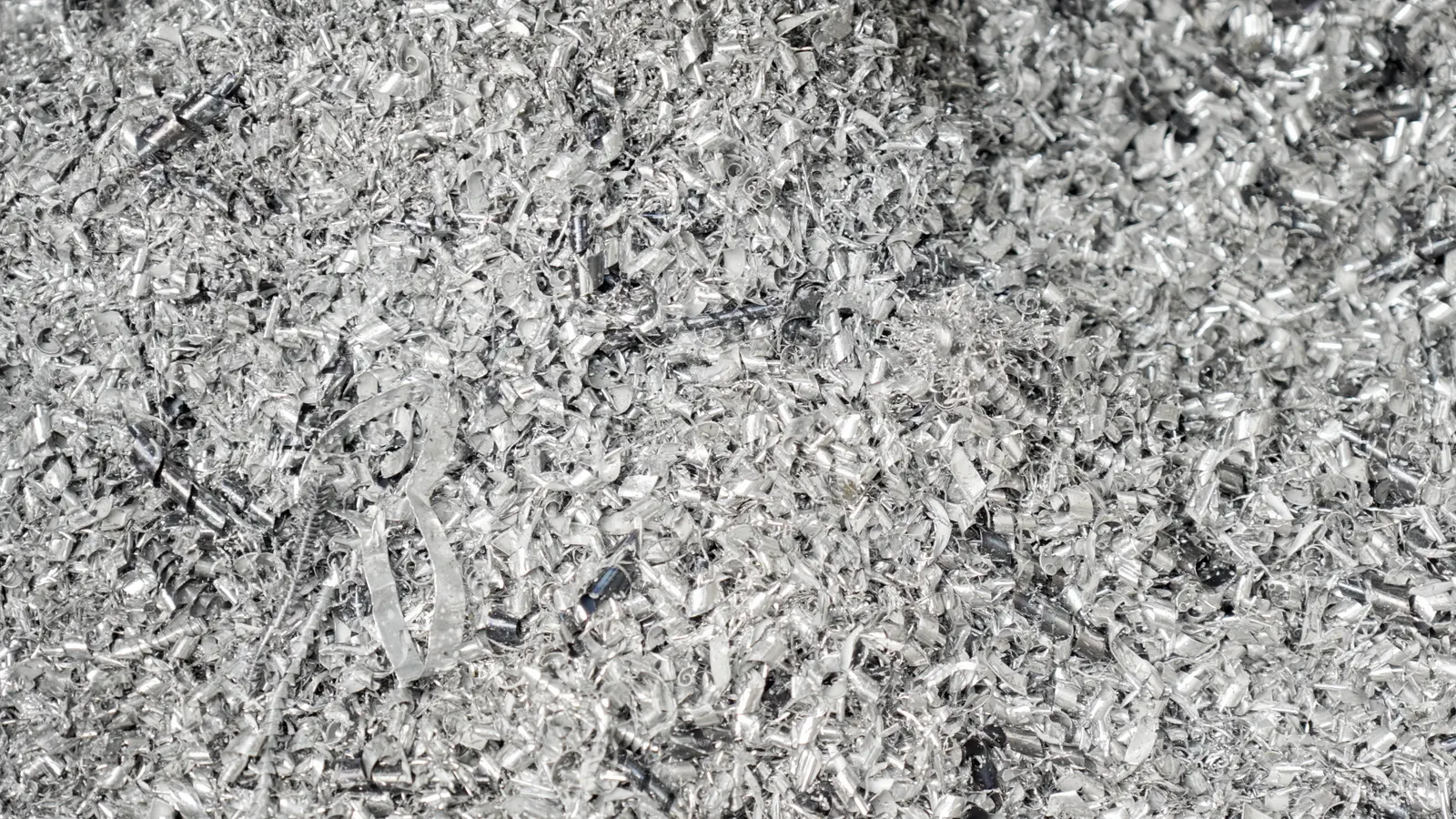
Chip management is one of the most overlooked factors in CNC machining efficiency. While most attention goes toward cutting performance, tooling, and spindle power, the way chips are removed from the machine directly impacts uptime, surface quality, coolant life, and overall productivity.
Different machining processes generate very different chip types, from fine aluminum swarf to heavy steel turnings, and no single conveyor system performs best in all conditions. Understanding the differences between conveyor types is critical when configuring or selecting a CNC machine.
This article breaks down the five main types of CNC chip conveyors and where each one actually performs best.
The Five Main Types of CNC Chip Conveyors
Most CNC machines use one of five chip removal systems: hinge-belt (chain), scraper, magnetic, auger (screw), or drum-type systems.
Each system moves chips differently. Hinge-belt conveyors physically carry chips using interlocking plates. Scraper systems drag fine material along the bottom of a tank. Magnetic conveyors pull ferrous particles out of coolant. Augers push chips forward using a rotating screw. Drum systems separate and remove chips through filtration and rotation.
Because chip shape, material, and machine layout vary so much, choosing the wrong system leads to real operational problems, not just inconvenience.
Hinge-Belt [Chain Type] Conveyors: The General-Purpose Solution
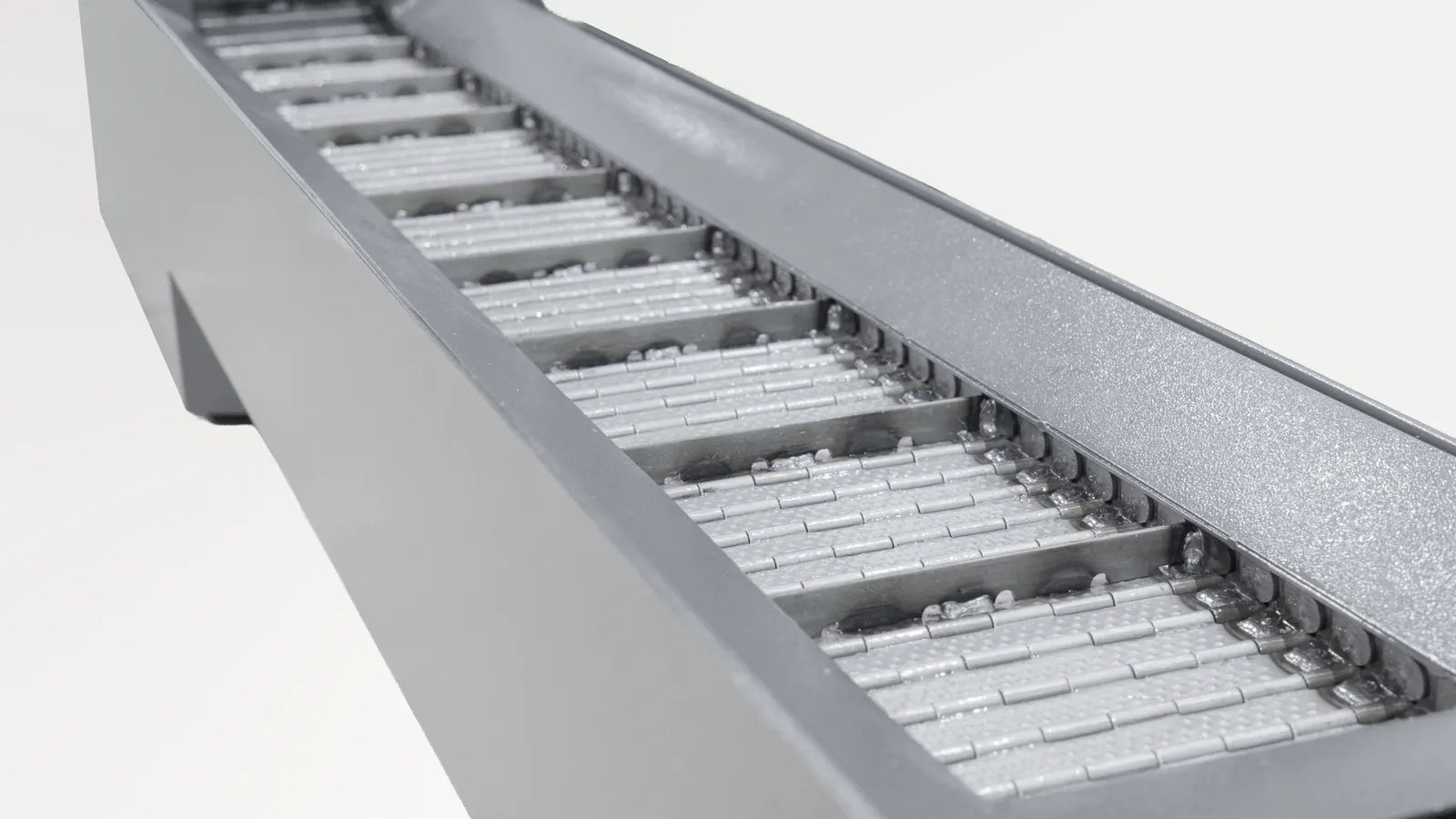
Hinge-belt conveyors are the most widely used chip removal system in CNC machining. They are designed to handle a broad mix of chip types, especially larger or stringy chips that need to be physically lifted out of the machine.
The system uses a continuous belt made of hinged metal plates or chain links. As the belt moves, it carries chips upward and discharges them into a bin. Cleats are often added to improve performance on steep inclines.
This makes hinge-belt systems the default choice for general machining environments, particularly for steel and aluminum where chip shapes vary.
Scraper Conveyors: Built for Fine Chips and Swarf
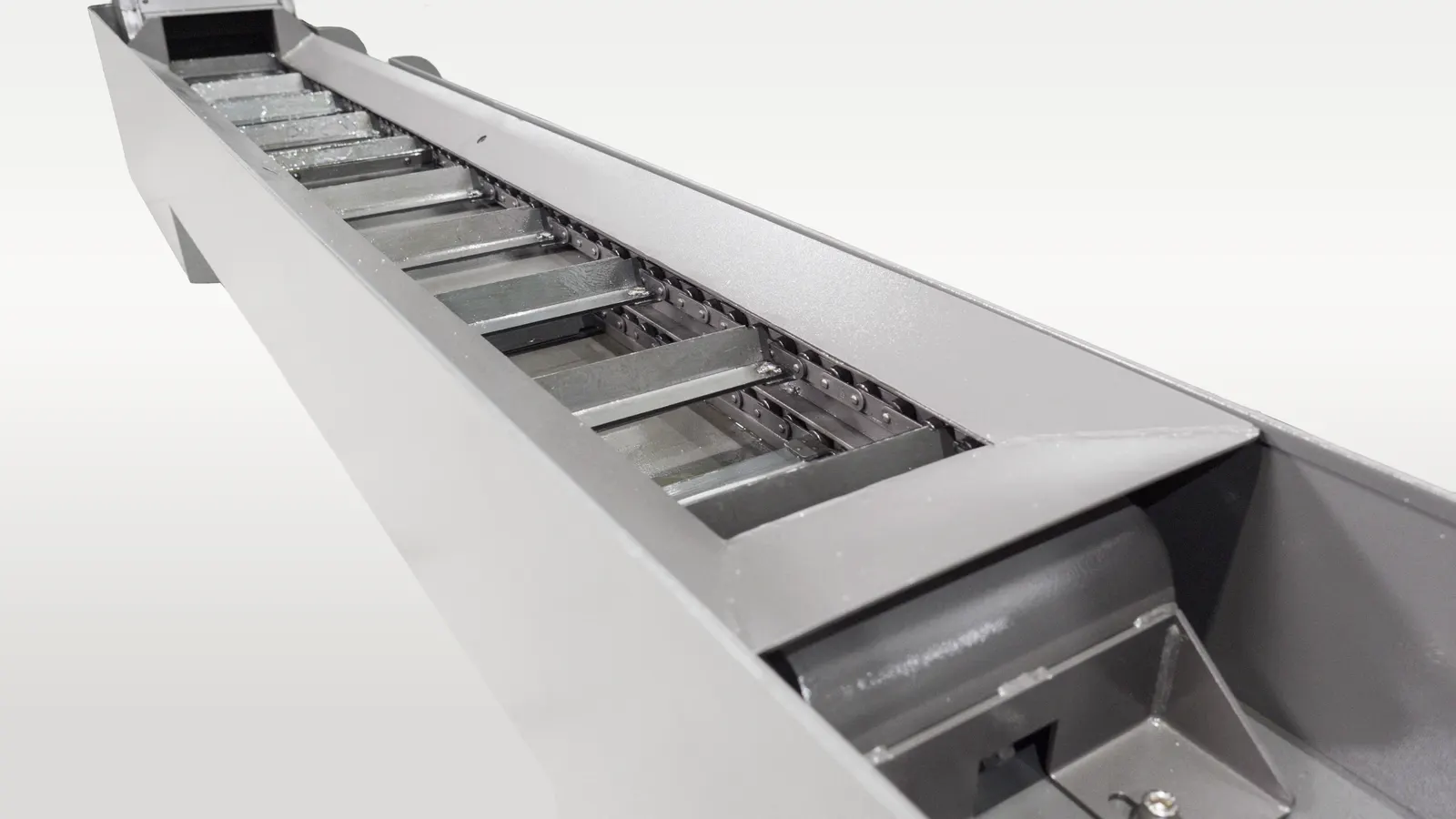
Scraper conveyors are optimized for fine chips and small particles. Instead of lifting chips, paddles drag material along the bottom of the coolant tank and out of the machine.
This design captures particles that would otherwise remain suspended in coolant, making it ideal for high-speed machining where chips are short, broken, or powder-like.
In practice, this is why machines designed for high-speed cutting, like many Microdynamics configurations, use scraper conveyors as standard. The chip profile simply demands it.
Magnetic Conveyors: For Ferrous Chip Separation
Magnetic conveyors serve a more specialized role. They use internal magnets to capture ferrous chips directly from coolant and carry them out of the machine.
This is especially effective for fine steel or cast iron particles that are difficult to remove with mechanical systems alone.
By removing these particles early, magnetic systems help maintain coolant quality, reduce wear, and lower maintenance frequency.
Auger (Screw) Conveyors: Compact and Integrated
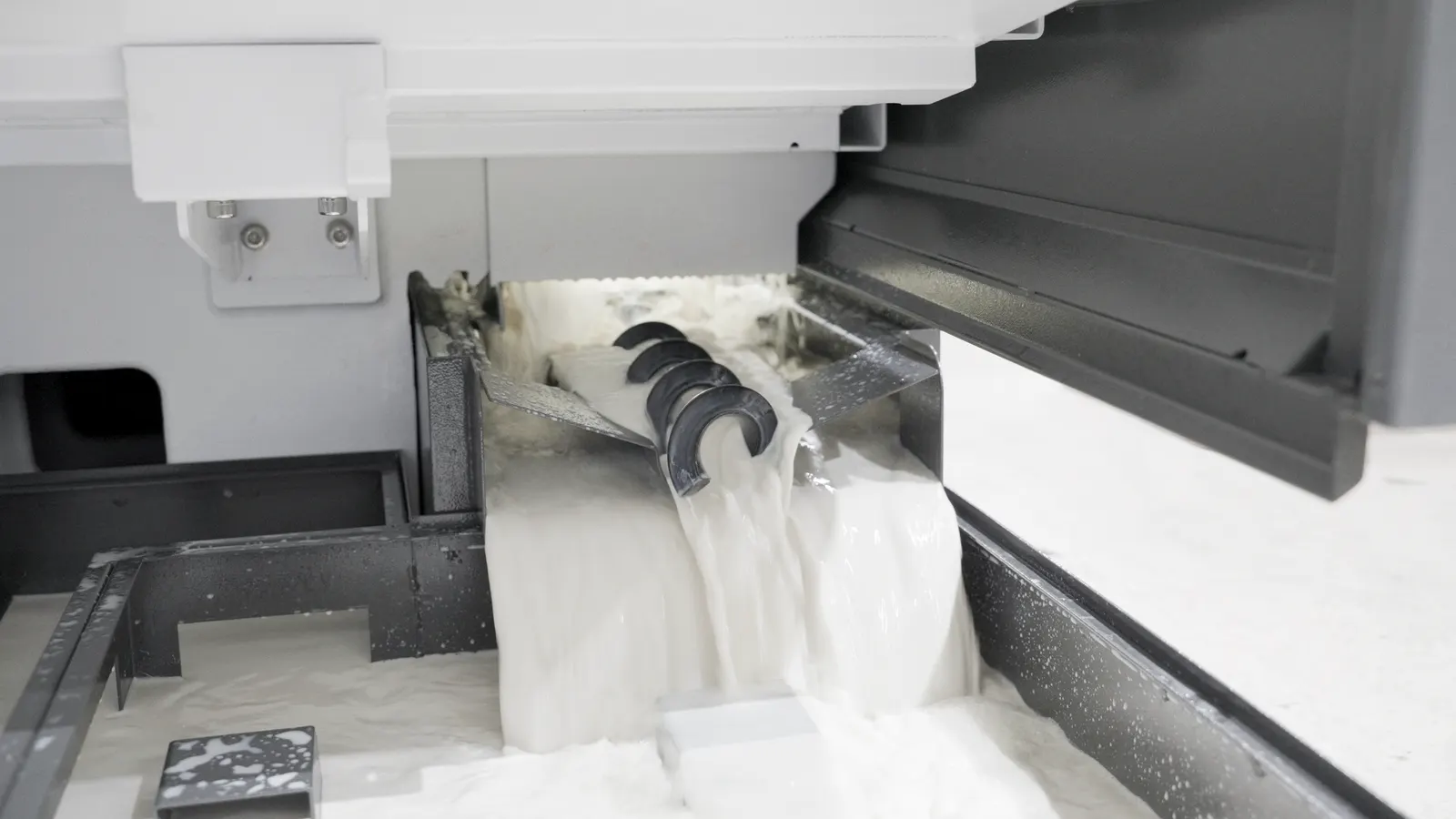
Auger conveyors use a rotating screw to push chips along a channel, typically built directly into the base of the machine.
Because of their compact design, they are often used in tight machine layouts or as a first-stage chip removal system feeding into a secondary conveyor.
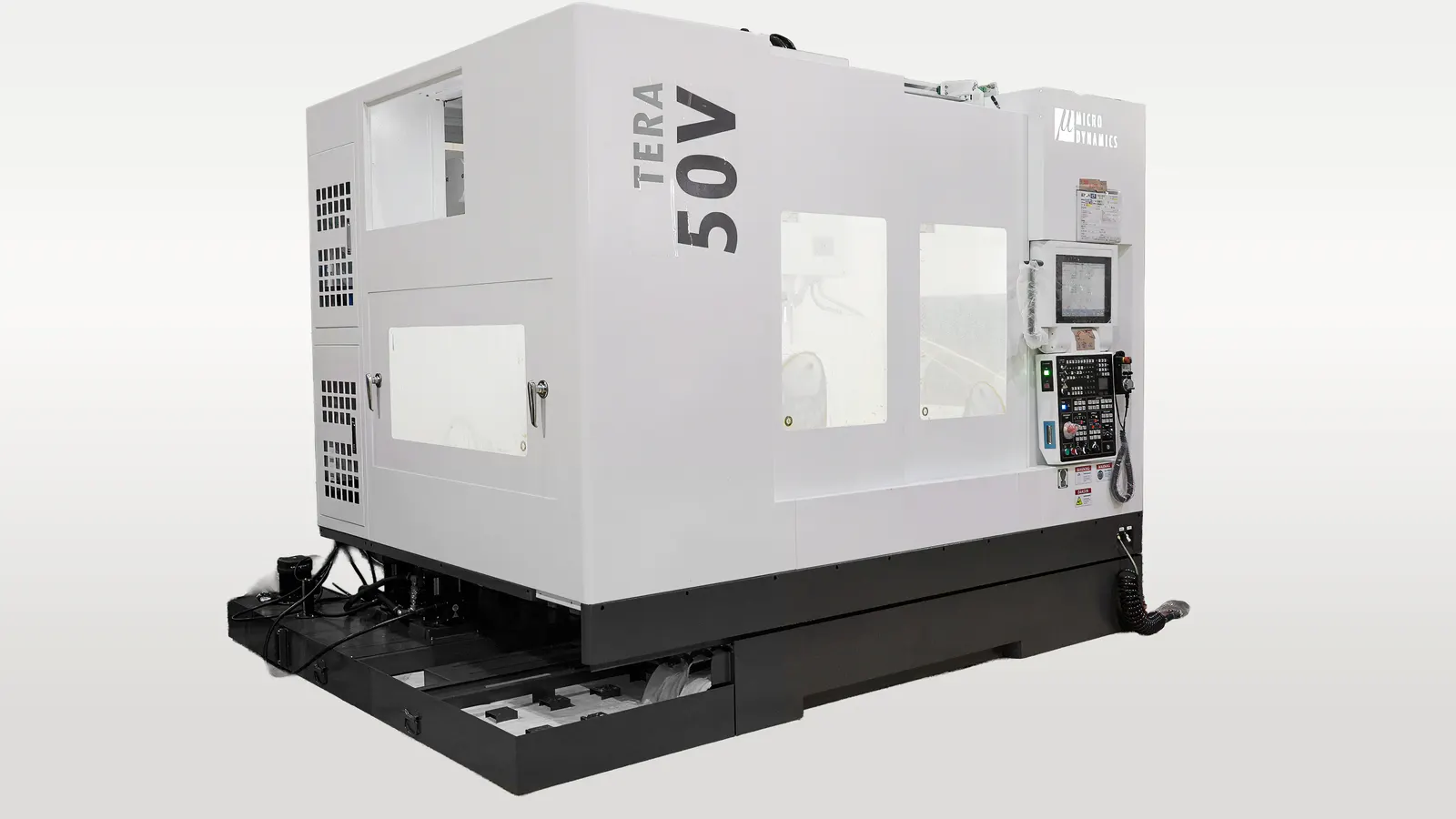
Inside many modern machines, including Microdynamics designs, augers are positioned directly under the table to continuously move chips away from the cutting area before they accumulate.
However, augers are best used in combination with other systems, as they are suited for small, broken chips. Large or stringy material quickly reduces efficiency.
Drum-Type Conveyors: Filtration + Chip Separation in One System
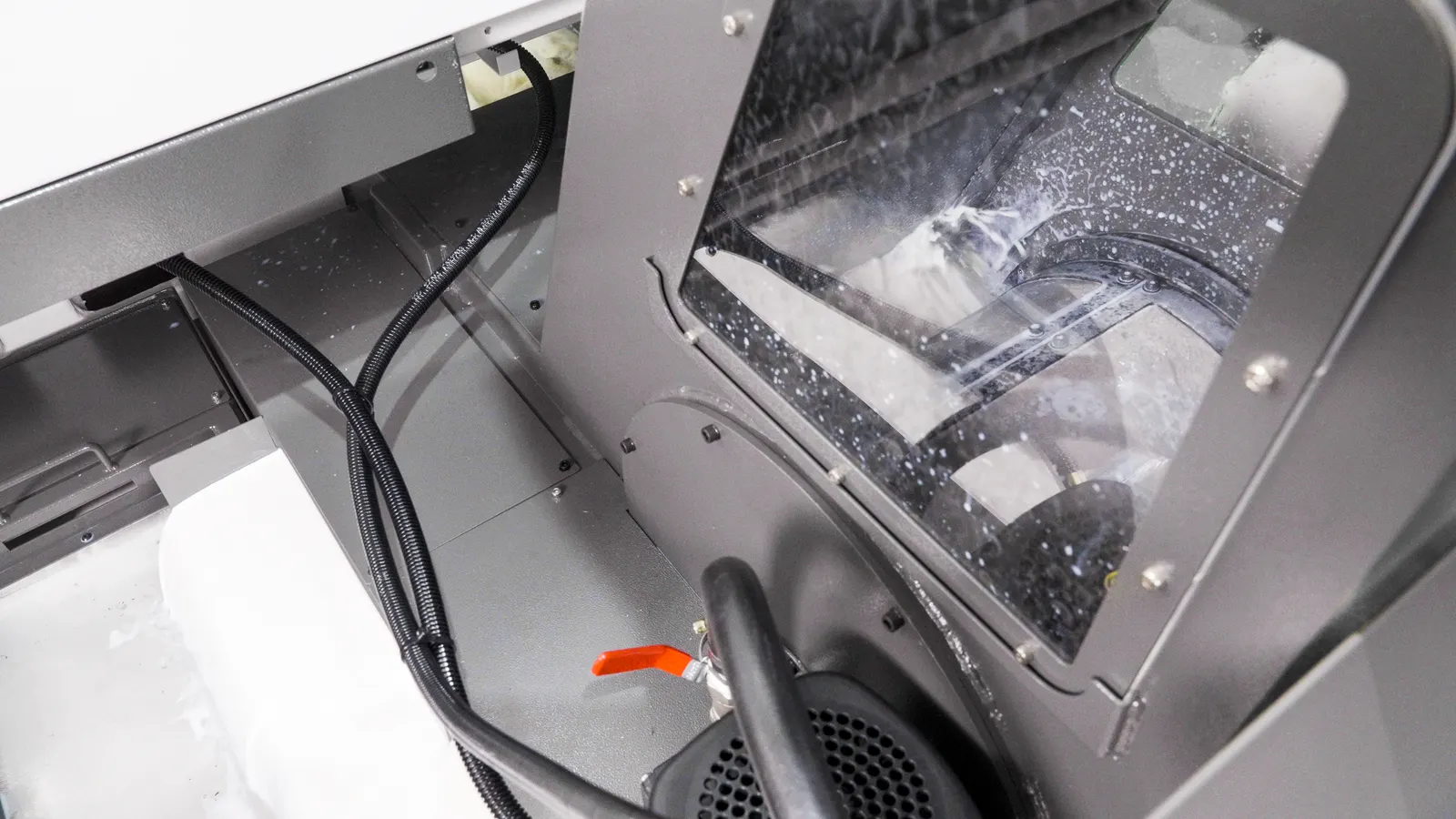
Drum-type conveyors take a different approach. Instead of simply transporting chips, they separate them from coolant using a rotating drum filter.
As coolant and chips enter the system, liquid passes through the drum while chips are captured on the surface and removed as the drum rotates. This creates a continuous filtration and chip removal process.
This makes drum systems particularly effective in applications with:
Large volumes of fine chips
Heavy coolant usage
Processes where coolant cleanliness directly affects part quality
They are often used in grinding, fine machining, or high-volume production environments where traditional conveyors alone are not enough.
Compared to scraper or magnetic systems, drum conveyors are less about bulk chip removal and more about coolant management and filtration efficiency.
Choosing the Right Chip Conveyor
Selecting the correct conveyor comes down to three things: material, chip shape, and machine layout.
Ferrous materials with fine chips benefit from magnetic systems. Non-ferrous fine swarf is better handled by scraper conveyors. Mixed or large chips require hinge-belt systems for reliability.
For high coolant filtration requirements, drum systems provide an additional layer of control. In space-constrained machines, augers provide a practical solution, often as part of a hybrid setup.
This is why many modern CNC machines combine systems. One handles initial chip evacuation, while another manages bulk removal and coolant cleanliness.
Real-World Impact on Machining Efficiency
Chip removal directly affects machine performance.
When chips are not evacuated properly, they accumulate inside the machine. Fine particles contaminate coolant, surface finish degrades, and operators are forced to stop production to manually clear material.
In worst-case scenarios, poor chip evacuation turns into a production bottleneck—operators literally shoveling out chips just to keep machines running.
A properly designed system eliminates this. Chips are removed continuously, coolant stays cleaner, and the machine runs without interruption.
Over time, this translates into higher uptime, better part quality, and lower operating costs.
Conclusion
Chip conveyors are a core part of the machining system.
Hinge-belt, scraper, magnetic, auger, and drum systems each solve a different problem. Matching the conveyor to the application ensures stable machining conditions and consistent performance.
At Microdynamics, chip management is built into the machine design from the start. The goal is simple: chips should never become the reason production slows down.