
What you’ll learn: how a continuous, three-position workflow can take a titanium blank through multiple machining stages efficiently—while protecting the accuracy and repeatability demanded by orthopaedic implant components.
Titanium orthopaedic bone plate being machined in a three-position fixture on a 4+1 axis trunnion table. High-value medical components demand stable, repeatable machining—this workflow shows the process end-to-end in one continuous cycle.
Why bone plates demand precision and repeatability
Bone plates are used in fracture fixation, stabilising bone while it heals—and in some cases, remaining in the body long term. That combination of function and service life is exactly why dimensional accuracy, surface quality, and repeatability are non-negotiable requirements for implant components.
For additional background on fracture fixation, the American Academy of Orthopaedic Surgeons explains that plates function like internal splints, holding broken bone segments together with screws (clinical context).
External reference: AAOS OrthoInfo – Internal fixation for fractures
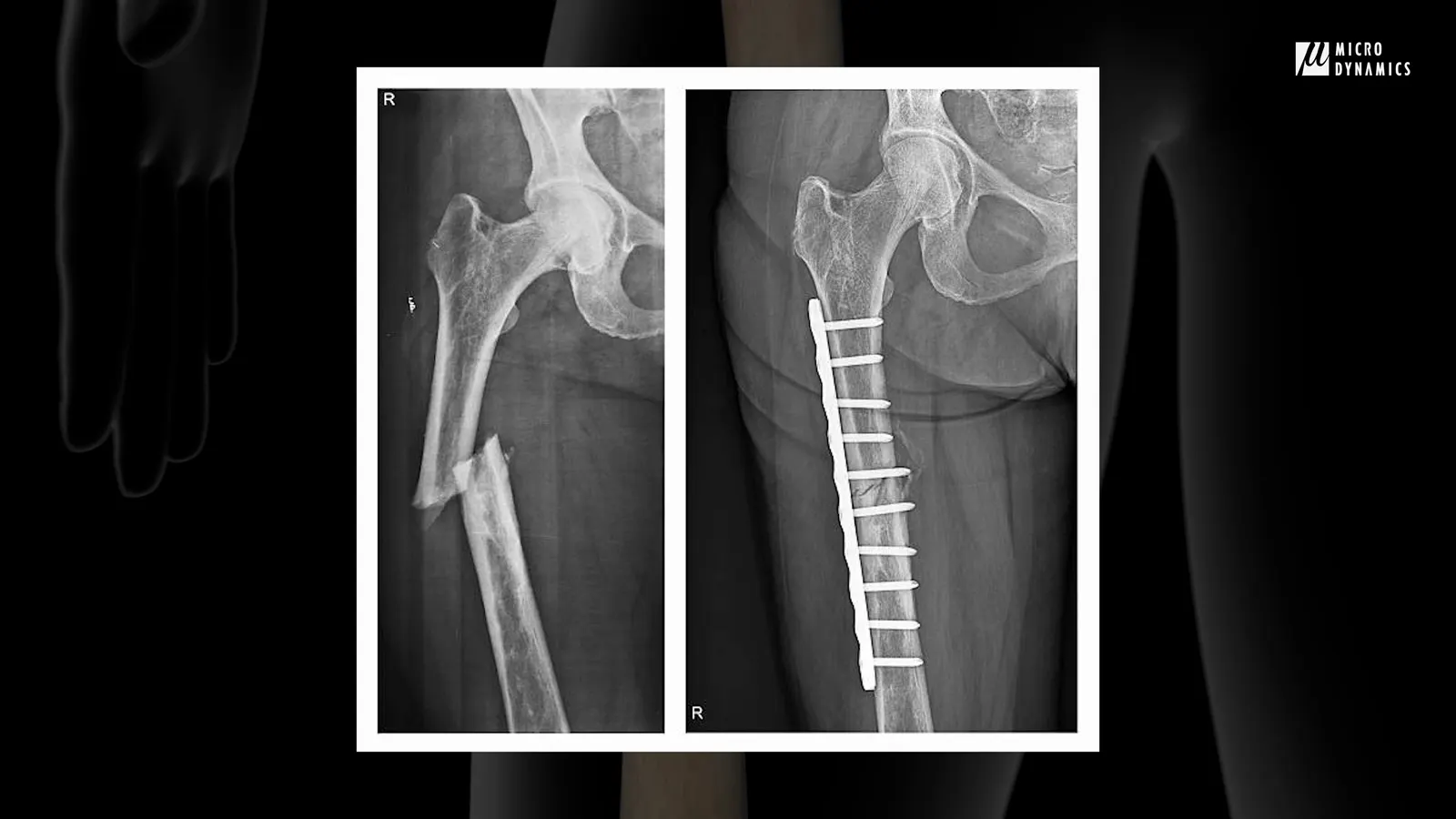
Example of an orthopaedic bone plate and screw fixation (clinical illustration for context). Context only (not medical advice): plates and screws are commonly used to stabilise fractures during healing.
The continuous three-position workflow in plain language
In this setup, each fixture position corresponds to a different machining stage. After two initial buffer cycles, the process becomes continuous: each cycle advances three workpieces forward through the fixture positions, while producing one finished component at the end.
Instead of running one part through separate standalone setups, the operator progresses each workpiece to the next stage every cycle—minimising machine downtime and reducing operator intervention per finished part.
This approach aligns well with 4+1-axis trunnion machining platforms, where multi-side access and stable indexing can be built into a repeatable production cell. Explore the Micro Dynamics trunnion lineup here: MEGA 30VT (4+1 axis trunnion) and TERA 50VT (4+1 axis trunnion).
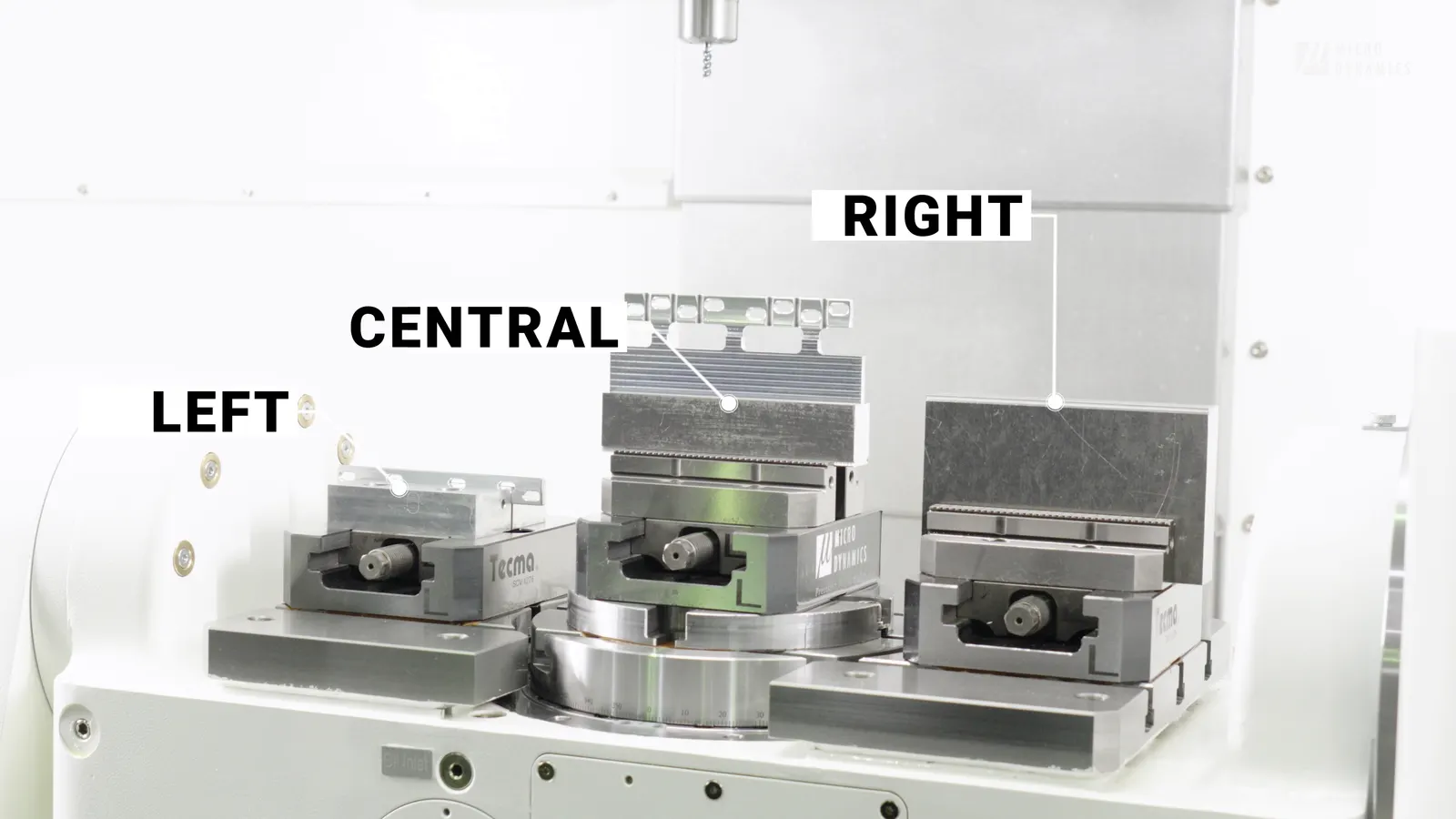
Diagram of a three-position fixture workflow showing from right to left: position 1 (dovetail), position 2 (multi-side machining), position 3 (finishing) and one finished part per cycle. Three-position workflow: after buffer cycles, every cycle yields one finished bone plate.
From raw titanium to a finished bone plate: what happens each cycle
Loading and clamping
The process begins with raw titanium material loaded into position one of a precision fixture. Vises clamp the workpiece securely, and quick unclamp/clamp operation supports frequent part movement between positions.
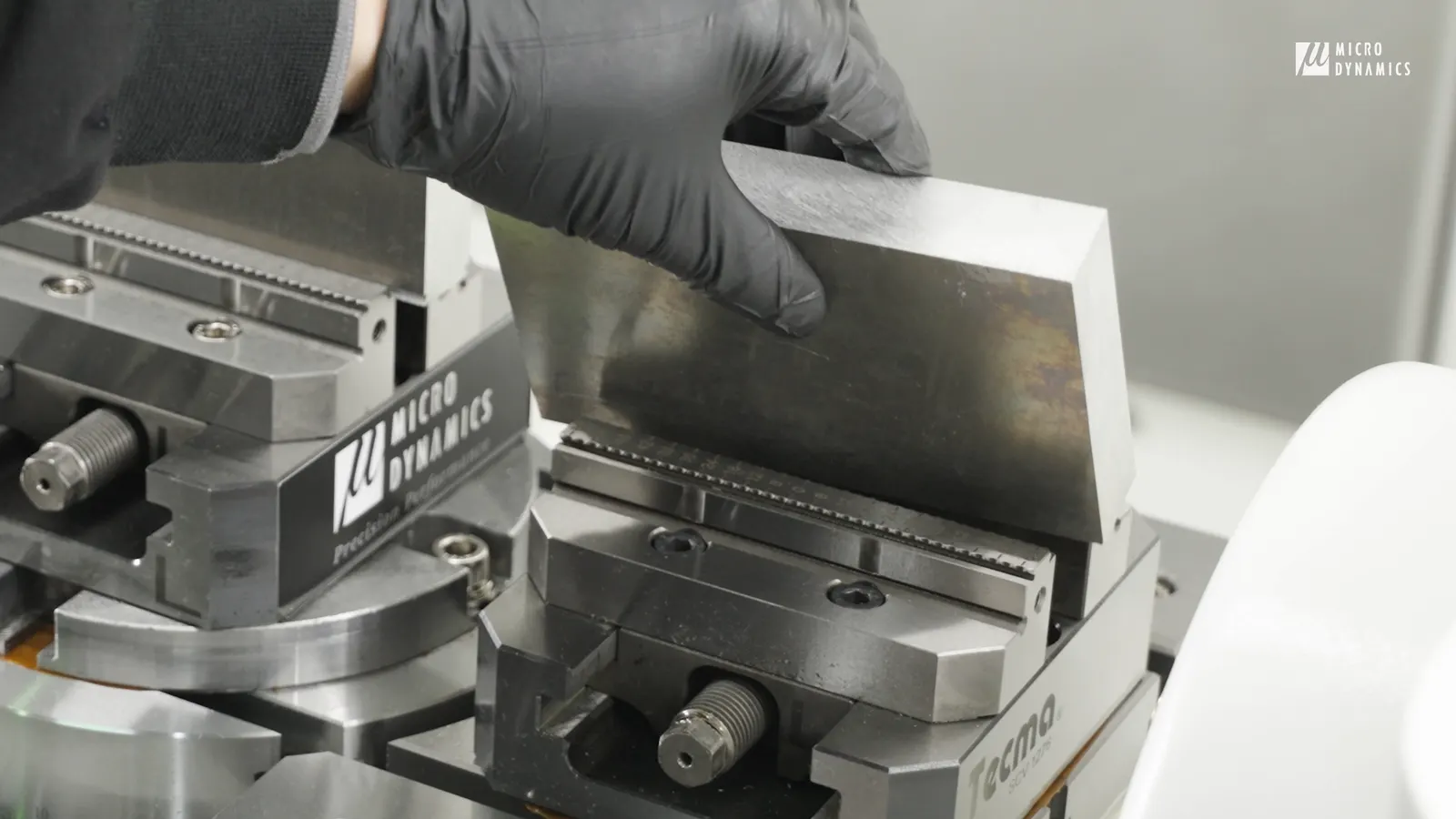
Advancing workpieces through the fixture
At the end of each cycle, the operator shifts the workpieces forward through the fixture positions, removes the finished component from position three, and loads a new blank into position one.
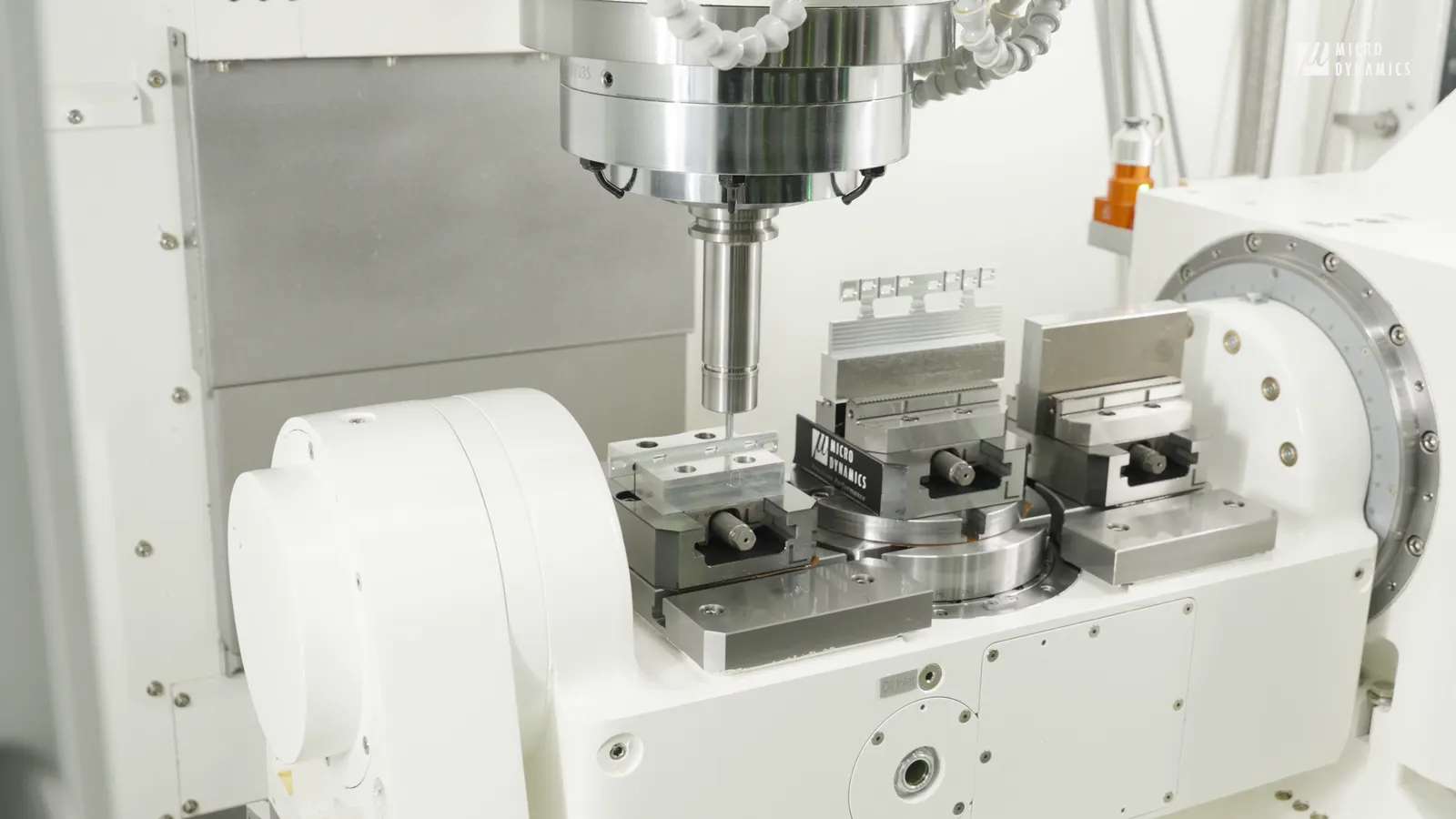
Micro Dynamics’ trunnion table configuration is specifically designed to support multi-vice workflows. See the trunnion table overview here.
Three-vice trunnion fixture setup used for a multi-position workflow on a 4+1 axis machining centre. Three-vice fixture design supports a true multi-position production rhythm.
Step-by-step machining stages
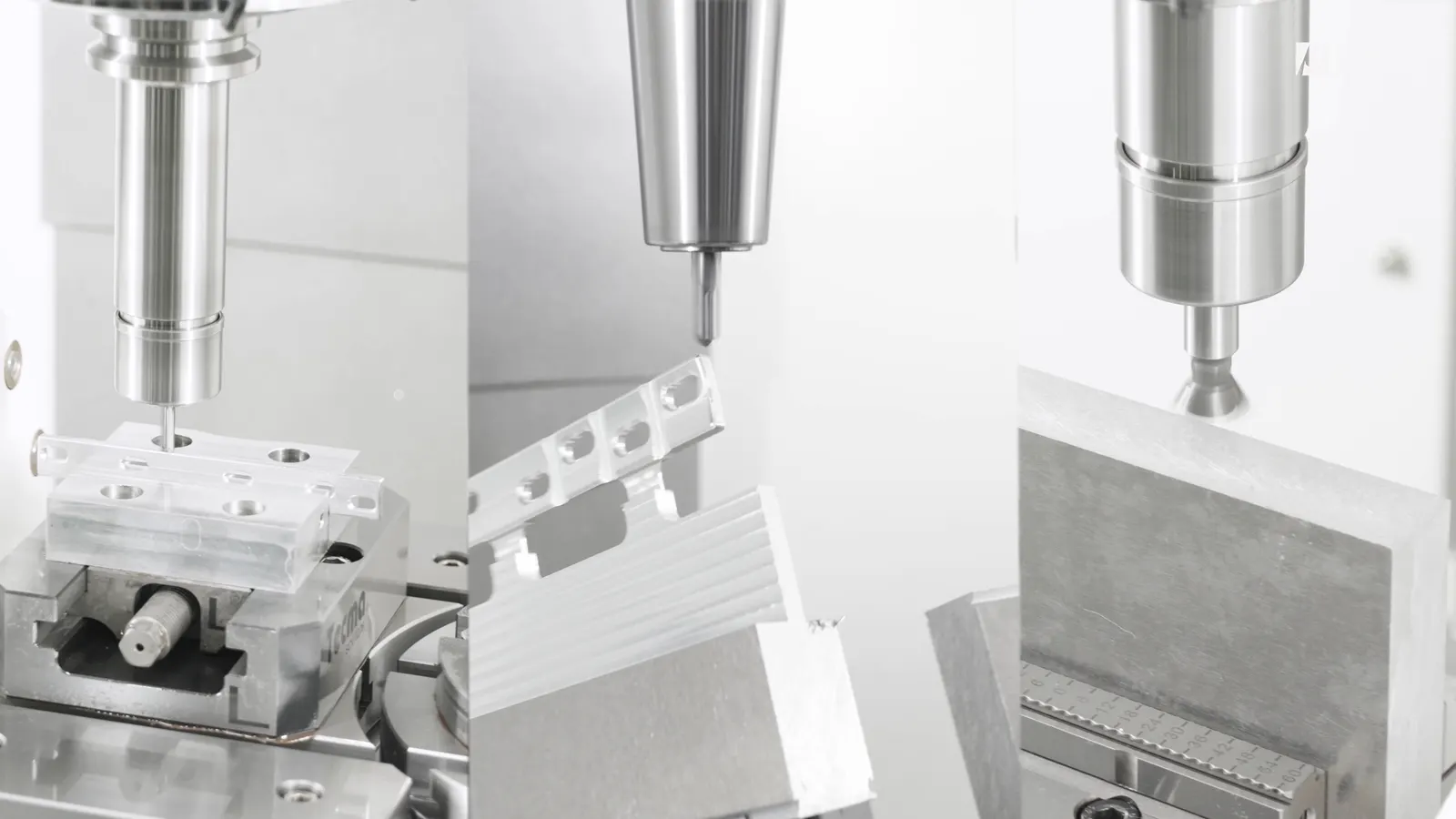
Position 1: cut the dovetail to strengthen clamping
In position one, the dovetail is cut to increase the clamping surface area for the vises—improving workholding strength for the heavier machining that follows.
Position 2: roughing and multi-side feature machining with 4th-axis indexing
Position two performs most of the machining. Roughing removes larger volumes of material to create the basic bone-plate geometry. Using the machine’s fourth axis, the part can be indexed to different orientations so multiple features can be machined without removing the workpiece from the fixture.
Complex contours, mounting surfaces, and screw holes can be machined with high positional accuracy—while maintaining the same reference throughout to reduce cumulative positioning error.
Position 3: final finishing and completion
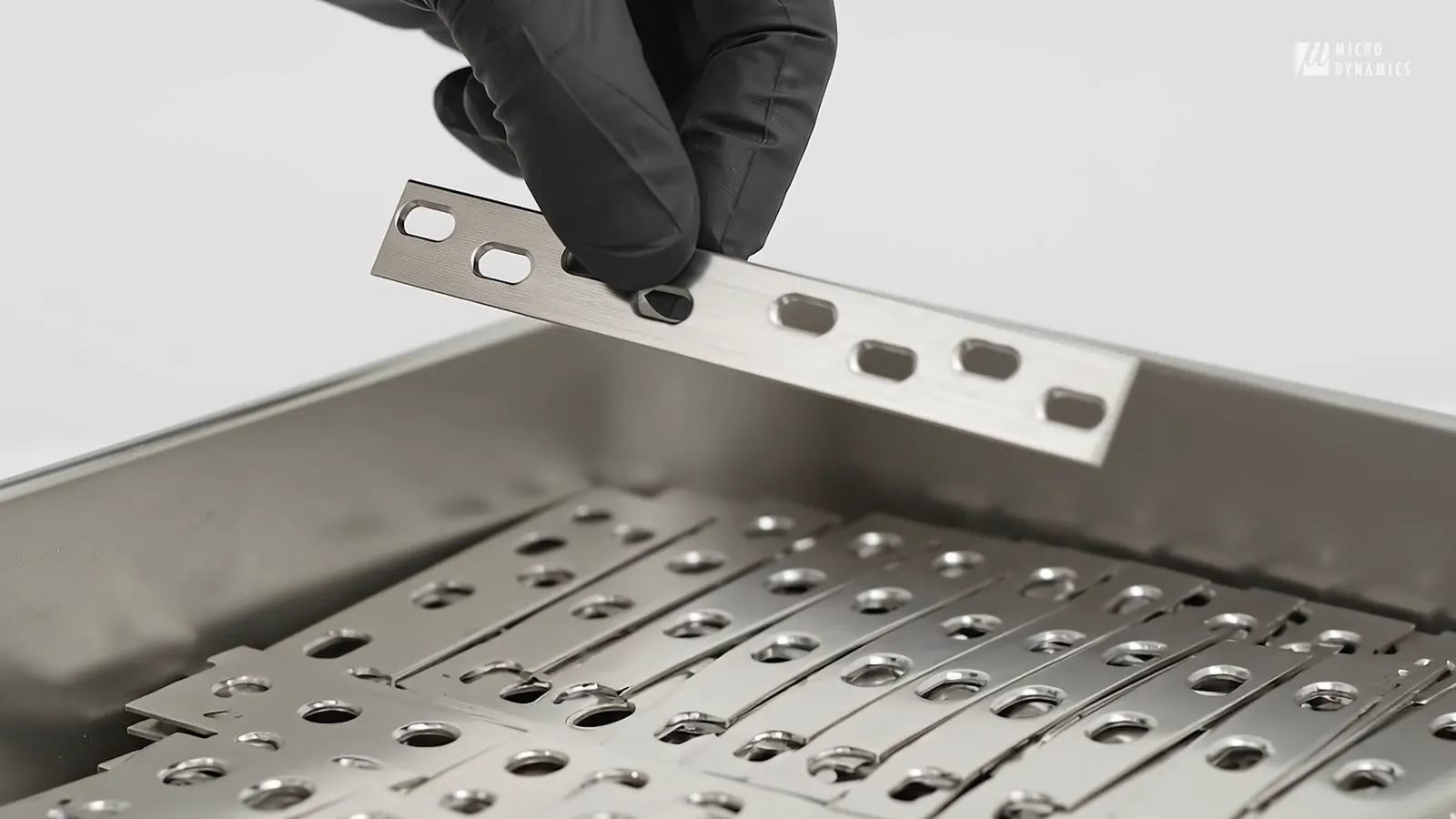
Position three completes the finishing operations, removing the remaining material that couldn’t be reached in setup two. At steady state, this workflow improves efficiency while maintaining consistent part quality.
Related Micro Dynamics technologies: DYPEC® thermal compensation, Built-in spindle, High-speed automatic tool changer.
Where this fits in medical device manufacturing
Machining is only one part of a medical component’s lifecycle, but it must integrate into a quality system that supports traceability, process control, and repeatable output. ISO 13485 is a widely recognised standard for quality management systems in medical device design and manufacture. External reference: ISO 13485 overview
In the United States, the FDA’s Quality Management System Regulation (QMSR) became effective on 2 February 2026 and incorporates ISO 13485:2016 by reference (regulatory context). External reference: FDA QMSR.
Note: This article is for manufacturing and process education, not clinical guidance or regulatory advice. Always consult qualified regulatory professionals for compliance requirements.
Explore Micro Dynamics machines and speak to a specialist
If you’re evaluating stable 4+1-axis machining for precision medical components, explore the Micro Dynamics range and workflow-enabling technologies:
* Watch more cutting demos and application videos
FAQ
What is a continuous multi-position workflow?
It’s a production method where several machining stages run in parallel on a multi-station fixture. After buffer cycles, each machine cycle advances workpieces and outputs one finished part.
What does 4+1 axis mean in this context?
4+1 typically refers to four-axis positioning (indexing) with an additional axis available for setup or positioning, rather than full, simultaneous five-axis motion for every toolpath.
Why cut a dovetail first?
Cutting the dovetail increases clamping surface area for the vises, improving workholding strength before higher-load machining operations.
Why keep the same fixturing reference through multiple stages?
Maintaining the same reference helps reduce cumulative positioning errors and supports consistent part-to-part machining results.
How does the workflow reduce downtime?
Because all three stages are active simultaneously once steady state is reached, the machine spends less time waiting on separate setups and more time cutting.